
The Allure of Gambling: Understanding Player Motivation
Casino games have an undeniable allure that draws millions of players worldwide. This fascination often stems from a combination of excitement, the prospect of winning, and the social environment that casinos provide. Players are motivated not just by financial gain but also by the thrill of uncertainty and the desire for escapism. The psychology behind these motivations is complex and involves various emotional and cognitive processes, including exploring options like uk casino not on gamstop to enhance their experience.

A significant factor in this allure is the concept of intermittent reinforcement, where players experience wins at unpredictable intervals. This unpredictability can lead to heightened levels of excitement and temptation, fostering a cycle of repeated play. Understanding these motivations can help both players and operators create a healthier gambling environment that emphasizes responsible gaming.
The Role of Cognitive Biases in Casino Gameplay
Cognitive biases significantly influence how players perceive their chances of winning and the overall gambling experience. For example, the gambler’s fallacy—or the belief that past events can influence future outcomes—can lead players to make irrational betting decisions, believing they are “due” for a win after a series of losses. These biases can impair judgment and lead to continued play, despite potential financial loss.
Moreover, the availability heuristic plays a role where players remember wins more vividly than losses, skewing their perception of overall success. This cognitive distortion can create a false sense of security, igniting a desire to play longer in hopes of recapturing those “big wins,” which often results in more losses.
The Impact of Environment on Player Behavior
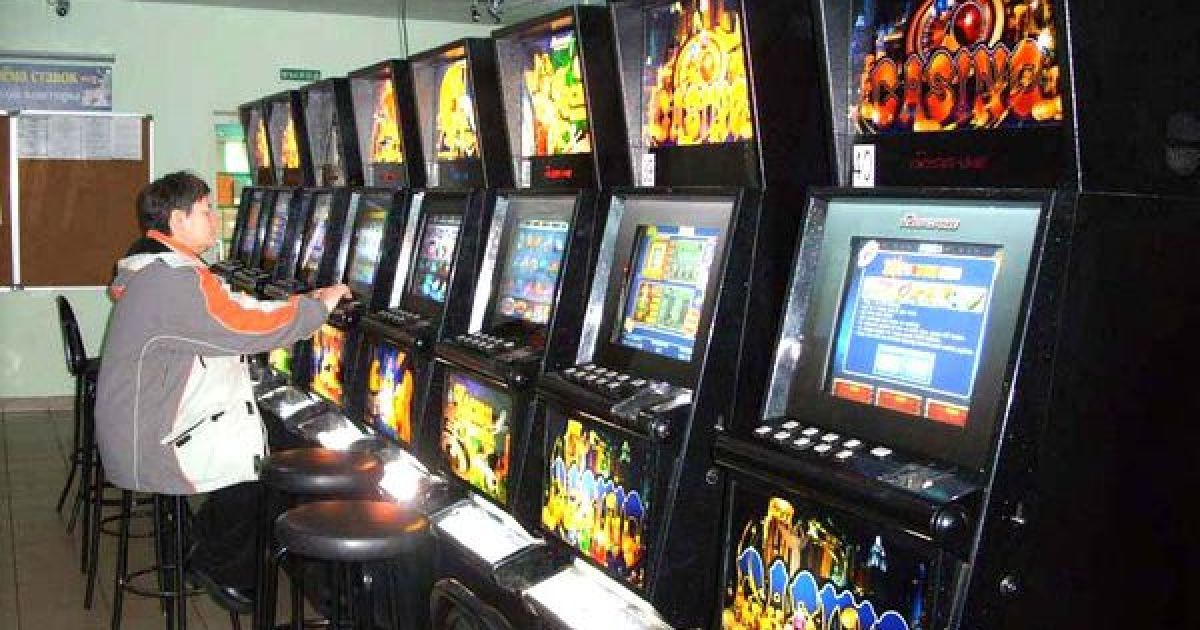
The environment within a casino plays a crucial role in shaping player behavior. From the design of the gaming floor to the sounds and lights of slot machines, every aspect is carefully curated to enhance the gaming experience. Casinos are designed to be immersive spaces that foster excitement and disconnect players from the outside world. This environment can lead to longer play sessions and increased spending.
Additionally, the social dynamics within casinos can affect player behavior. Interactions with staff and other players can create a sense of community and belonging that enhances the overall gambling experience. This social aspect can significantly impact decision-making processes, encouraging players to gamble more than they initially intended.
Emotional Responses and Their Effects on Gambling Behavior
Emotions play a pivotal role in influencing gambling behavior. The thrill of winning can lead to euphoric feelings, reinforcing the desire to play. Conversely, losses can evoke frustration, anger, or sadness, prompting players to chase their losses in an attempt to regain their sense of control. This emotional rollercoaster can lead to problematic gambling behaviors, as players become trapped in a cycle of highs and lows.
Moreover, the use of marketing strategies by casinos often amplifies these emotional responses. Promotions, loyalty programs, and special events are designed to create excitement and encourage players to return, tapping into their emotional connection to the game. Recognizing these emotional triggers can help players better understand their gambling habits and promote responsible gaming practices.
Promoting Responsible Gaming and Awareness
Understanding the psychology behind casino games and player behavior is crucial for fostering a responsible gambling culture. By gaining insights into the motivations and emotional triggers that drive gambling, individuals and organizations can develop initiatives aimed at promoting awareness and healthy gaming practices. Educational programs, community engagement, and resources can be instrumental in addressing gambling-related issues.
As the conversation around responsible gambling continues to evolve, platforms that highlight these psychological aspects can play a pivotal role in reducing harmful behaviors. By educating players about the underlying factors that influence their gaming experiences, we can create a safer and more enjoyable gambling environment for everyone.